
Cloud Computing and Data Management: Future-Proofing Your IT Infrastructure
14 January 2025
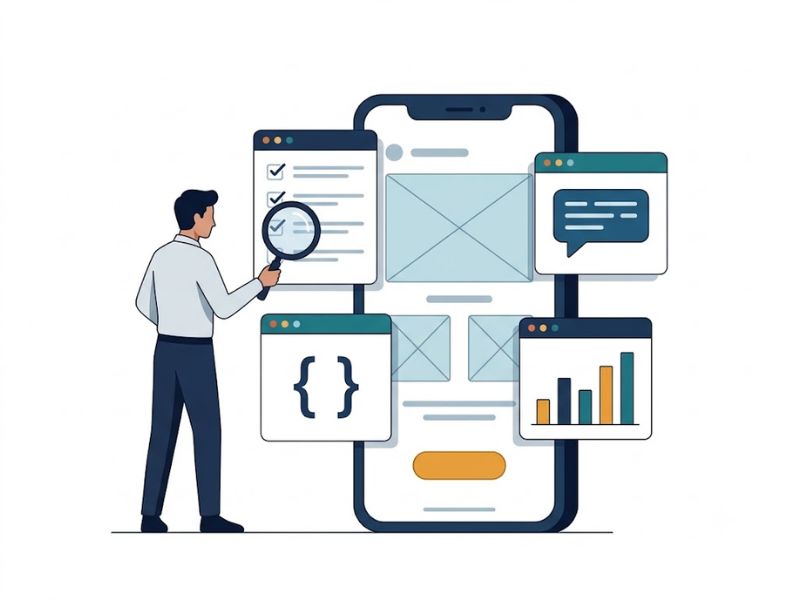
The development of a mobile app is one of the bigger technology decisions that any business makes, and far more depends on the partner than the platform. A well-sounded app created by a competent team will do more than an ambitious app created by a team you took on because of the price. Let's take a look at how to make the best decision on the options.
Prior to engaging any vendor, make a list of the things that the app needs to accomplish for the enterprise — fewer support calls, order taking, tracking field workers, replacing a paper process, and so forth. When vendors start with what you need to do and who you are, they're looking at results. Vendors that start with technology first, and then see what problems it can solve, are selling capacity, not solutions.
Native development (Swift for iOS, Kotlin for Android) is the fastest and most optimal way to develop, as it means receiving the latest features of the OS as early as it becomes available. Using a cross-platform framework like Flutter or React Native allows them to share a single codebase and in most cases, the costs of building it and keeping it running are lowered considerably.
For the general rule:
Polished screenshots can be displayed by any agency. Rather than asking for the apps that are active on the App Store and Google Play, look at the update history and the recently issued reviews: an app that hasn't been updated in two years is a bit of an indicator of the relationship that followed the launch.
Independent directories can be a great place to start your shortlist as they combine verified client reviews, company size, hourly rate and focus areas. It is easier to make comparisons between different Mobile App Development Companies using a compilation list of top companies before contacting them directly.
There are three models on the market:
Don't be impressed by a rate that is dramatically lower than the market rate in your area. Typically, the deficiency is made up for later as change orders or by reducing testing and documentation.
This is where most conflicts begin. You should make it very clear in your contract that you will have all source code, designs and intellectual property conveyed to you upon completion of your contract. As much as that, the app stores account, code repository, analytics and the back-end hosting should all be under your company's name and not the agency's. That's what allows you to switch vendors without having to start over from scratch later.
An App is not a delivery, it is a commitment. It's a platform change every year from both Apple and Google, and, ultimately, apps that are not updated end up failing and/or being removed from the stores. Before development begins agree the support arrangement:
The best app development partners will ask questions early that force you to consider your scope and whether it's useful to your users, and they're upfront and honest about what they can't do in the scope they're willing to work with. Narrow down to 3 or 4 companies, and ask all the same questions to all of them, then compare their thinking — not the price they charge.
Ummah IT Solutions Develops Web & Mobile Apps for Businesses in Pakistan and Global. Please contact us to talk about your project.

